

Wireless Bluetooth Headphones
Wireless Bluetooth headphones keep your hands free when you work or play music. Many wireless headphones are also perfect for exercising and include fitness tracking systems.
Bluetooth technology functions as a walkie-talkie or radio, and your ears are the receivers that detect this signal.
Take Off Your Hands
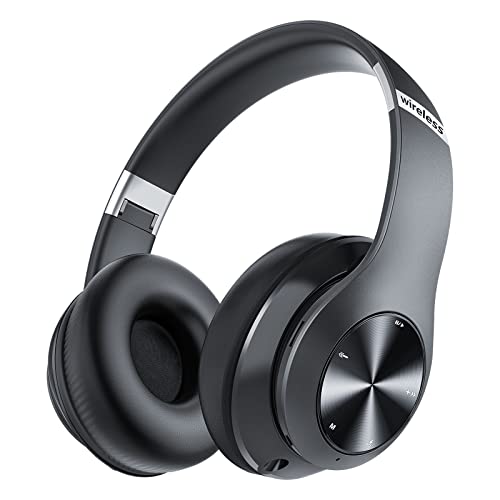
Most modern devices are now wire-free because of some incredible technological advancements in the last few years. This includes music players and headphones. Wireless headsets allow you to work while freeing up your hands. They can also help you focus in noisy areas such as busy streets or office buildings.
Wireless headphones are an excellent way commuters can block out the background noise and listen to their favorite music, podcasts, or audiobooks. They are also helpful for students who are studying in crowded classrooms or in public transport.
A pair of Bluetooth headphones with a good battery life should provide high-quality audio. Many models also come with control buttons on the ear cups or on the stalks of the headphones that allow you to control playback and calls without using your phone. These tap controls can increase or reduce volume, skip or return a track, call or answer a call, activate voice assistants, and turn off.
Most wireless headphones support multiple devices and are compatible with different Bluetooth(r). This gives you the ability to connect them to multiple music players or phones, so that you can listen to your music at home as well as at the office.
Whatever type of headphones you select It's a good idea to test them before purchasing the pair. If you can test them out in a store so you have an idea of how they fit your ears and how comfortable they are to wear for extended periods of time. You can also check whether they block out ambient noise, and whether they're suitable for an active lifestyle.
Make More Work Get Done
With most smartphones and tablets are phasing out the 3.5mm audio jack and wireless Bluetooth headphones are becoming increasingly well-known. Bluetooth headphones aren't only portable, but can be used to help you accomplish more tasks around the home. You can listen to music or podcasts while you do chores or clean, cook or work on a project at home.
Unlike wired headphones, Bluetooth headsets are lighter and don't have any extra components. This means that they are more portable and can be stored in your bag or backpack when you're not using them. This makes them more comfortable, because they put less pressure on your ears and the head.
The technology behind wireless Bluetooth headphones is extremely sophisticated. In fact, most hi-tech gadgets today have bluetooth connectivity. Bluetooth transmits data using ultra-high frequency radio wave technology, in contrast to other wireless connections like RF and infrared. These radio waves operate in the industrial, scientific and medical (ISM) bands ranging from 2.400 to 2.485 GHz. It doesn't require a lot of power and that is why you can use your headphones for hours without needing to charge them.
If you wish to connect your wireless Bluetooth headphones with your smartphone, simply go to the audio settings and switch the Bluetooth connection of your headphone on. When your device is aware that your headphones are emitting an Bluetooth signal it will prompt you to enter an encryption code. This is typically 0000 or the default PIN listed in your manual.
Auto-pairing is by default enabled on all Bluetooth devices. The headset is able to connect to any other bluetooth device within the range of the headset without having to manually connect. This will save you time and hassle especially if you're using the same headset with multiple devices throughout the day.
Stay Connected
Bluetooth headsets that are wireless unlike wired headphones connect to your audio device at a distance of several feet. They are susceptible to cutting out and disconnecting due to signal interference or depleted batteries. over ear headphones wireless can be easily fixed: keep the device and headphones within three feet of one another and clear any obstructions. The closer they are to each other, the stronger the Bluetooth signal. Make sure your headphones have enough power to last for several hours before you start listening to music, or at the very least enough to give you enough time to recharge them before your next use.
Also, try to get away from electrical devices that generate electromagnetic waves, like Wi-Fi routers, wireless speakers microwave ovens, baby monitors, and others. They are all known to interfere with Bluetooth connections. You can also check the settings on your phone to determine whether there are any apps running in the background. The apps will be shut down, and your Bluetooth headphones will reconnect.
It's essential to update the firmware on both your headphones as well as your device. This fixes bugs and other issues that could cause Bluetooth headphones not to connect. You can do this on your computer or phone by going to Settings, then selecting "About Phone" or "Settings." This is typically the menu icon with the Apple logo in the top left corner of your screen. You should see "Software Update" from there.
Listen to Your Favorite Music
Wireless headphones are a great way to listen to music on the move regardless of whether you're an audiophile who has been around for a while or if you're just getting started. Find headphones with controls that are easy to access (around the earcups or on the stalks of earbuds) and that can be controlled using voice commands via your connected device.
A high-quality pair of headphones will provide high-quality audio, and there are a myriad of options to pick from, including Bluetooth, RF, and other wireless technologies. Bluetooth is the wireless audio standard but its bandwidth can be limited, resulting in music files being compressed to make them smaller. This can result in an increase in quality, especially when listening to hi-res or FLAC files.
RF headphones, also referred to as radio-frequency wireless headsets, utilize the same radio frequency but are different from Bluetooth (900 MHz - 3.2 GHz). They typically have a larger range of up to 300 feet (10-12 m)--but they require a base station which acts as an adapter for connecting to your music device. This is a disadvantage for those who frequently lose or misplace their headphones.
Many RF headphones have internal storage for data that holds several gigabytes worth of music. They act as headphones and MP3 players all in one. They offer the benefit of eliminating the need for an external storage device, however you'll need to transfer songs to their internal memory with cables when the old ones get worn out. They don't have the same features as Bluetooth models, like automatic connection to your device and voice assistant support.
Enjoy Your Privacy
A pair of quality headphones can make a a huge difference in the way you perceive the noises around you. When you're walking down the street, taking public transportation, or just relaxing at home, wireless bluetooth headphones let you shut out the busyness of life so that you can focus on what matters most. They let you listen to music, podcasts, or audiobooks, make phone calls, and utilize active noise cancelling.
Wireless headphones that connect to a device via Bluetooth technology are among the most sought-after. The Bluetooth Special Interest Group oversees the development of this technology, which is found in a myriad of devices, including speakers, headphones and other high-tech gadgets. Bluetooth headphones don't require a wire to connect to your device. They can be connected in a matter of minutes by simply selecting them on your phone or other audio source and following the steps. Typically, they only need to be paired one time.
Despite their popularity, there remain certain concerns regarding the privacy of Bluetooth headsets. Hackers constantly look for weaknesses in technology that can be exploited and Bluetooth headsets aren't any different. A report released in 2015 by Ohio State University revealed Bluetooth signals can be intercepted. This allows threat actors to listen in on conversations, or even alter audio.
Bluetooth devices employ encryption to make it difficult for threat actors to decrypt audio signals. It's also important to note that hackers need physical access to the headphone set of a person to spy on him.
Although some people might be Bluetooth phobic because of these fears It's important to keep in mind that there are many advantages to using Bluetooth headphones. It's best to only use them where you feel comfortable.